How Technology Is Shaping Modern Pop Music Experiences
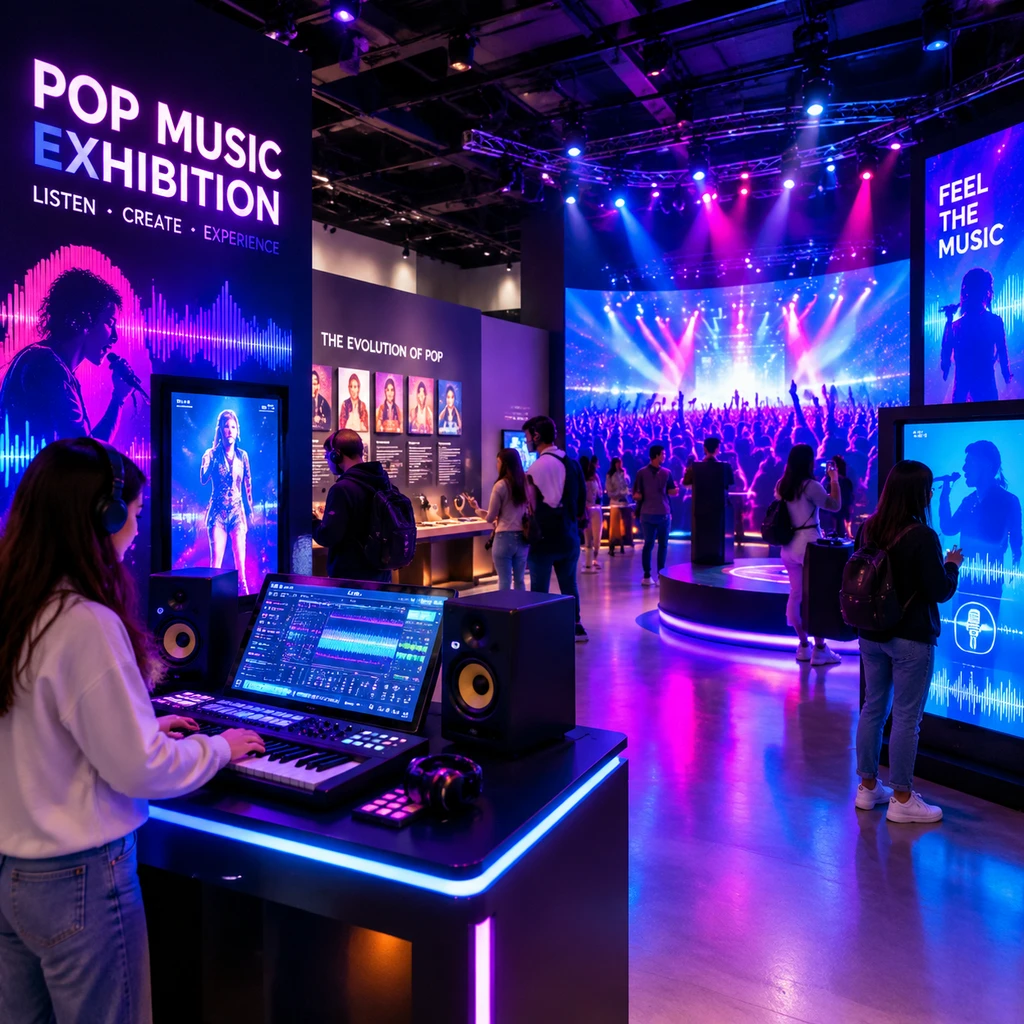
Technology shapes nearly every step of a modern pop song’s journey: how artists make it, how listeners discover it, and how fans experience it together. For a pop music exhibition, that journey offers a way to turn familiar songs into something visitors can explore with their ears, eyes, and hands.
From the studio to the screen: technology in pop production
Digital tools let pop artists record, edit, and shape music in flexible ways, often moving between a professional studio and a laptop. Music production software and digital audio workstations (DAWs) bring recording, arranging, effects, and mixing into one workspace.
A producer can layer a voice over programmed drums, adjust the timing of a chorus, or compare several versions of a synth sound without starting again from scratch. Virtual instruments and sample libraries can reproduce familiar textures or create entirely new ones. Editing tools can clean up a recording, while effects such as reverb and pitch processing help establish a song’s character.
This workflow can make collaboration easier. Artists, songwriters, and producers can share project files and recordings across locations, then revise a track through repeated listening. But flexibility has a trade-off: endless editing can make it harder to decide when a song is finished, and polished software cannot supply an original idea on its own. The choices about melody, emotion, and performance remain human.
An exhibition can make this process visible by letting visitors hear a short song stem by stem. Begin with a vocal, then add bass, drums, and effects. The difference between a raw recording and a finished mix reveals how production choices change what listeners notice.
How streaming and social media shape music discovery
Streaming platforms and social media influence which pop songs listeners encounter, how quickly a track travels, and what they hear next. Recommendations, playlists, short videos, and fan sharing all contribute to modern music discovery.
On a streaming platform, listeners may find music through editorial playlists, personalized recommendations, search, or an artist’s page. These routes can introduce a new performer to someone who has never heard of them. Social media adds a different kind of discovery: a dance, lyric, live clip, or behind-the-scenes post can prompt people to look up a song and share it with friends.
The systems are useful, but they are not neutral windows onto every release. Recommendations reflect platform design and listener behavior; playlist placement and viral attention can influence visibility, while a song that spreads widely online may not appeal to every listener. Fans also shape discovery by recommending tracks and building communities around artists, genres, and moments.
For an exhibition, an interactive listening station could trace several paths to the same song: a playlist, a search, a friend’s recommendation, or a social post. Visitors can compare how context changes the experience. A track heard after a personal recommendation may feel different from one encountered in an autoplay queue.
Bringing pop music to life onstage
Live performance technology combines sound systems, lighting, screens, and stage tools to make a concert work for both the artist and the audience. These elements can clarify the music, create a visual world, and connect performers with people farther from the stage.
Sound reinforcement carries vocals and instruments across a venue, while mixing balances them for the room. Lighting can shift the mood between songs or highlight a specific moment. Screens and projection help distant audience members see performers, and coordinated visuals can turn a chorus into a shared spectacle. Some artists also use backing tracks, in-ear monitors, or electronic instruments as part of a performance setup.
Every technical choice involves practical limits. A complex visual show may depend on precise timing and specialized equipment; a small venue may benefit more from clear vocals and thoughtful lighting than from a wall of screens. Technology can intensify a performance, but it cannot guarantee that a crowd feels connected to it.
A pop exhibition can demonstrate the difference by letting visitors stand at a mixing console or compare lighting cues against the same musical passage. Keep the experience focused: one change at a time helps visitors hear or see what the technology contributes.
New ways for fans to connect with music
Interactive media gives fans ways to participate in pop music beyond listening, from remixing a track to exploring a digital performance. These experiences can deepen fan engagement when they invite meaningful choices rather than simply displaying more screens.
A simple remix station might let visitors mute vocals, bring up the bass, or rearrange a few musical layers. A lyric display could reveal how a verse changes the meaning of a chorus. Digital fan spaces and social media can also connect listeners through shared interpretations, cover versions, dance routines, and conversations with artists.
Participation has its own balance. A highly open-ended tool can feel confusing without clear instructions, while a tightly scripted activity may leave little room for personal expression. The strongest interactive exhibits give visitors a small number of understandable choices and let them hear the result immediately.
Accessibility matters, too. Offer captions for audio or video, adjustable volume, clear controls, and an option to enjoy the exhibit without using a touchscreen. These details help more visitors take part and keep the music at the center of the experience.
Turning music technology into an exhibition experience
A pop music exhibition can explain technological change by pairing hands-on activities with listening experiences. Visitors should be able to connect a tool or platform to a clear result: a different sound, a new route to a song, or a changed concert atmosphere.
One useful visitor journey follows the life of a track. Start with production, where guests isolate musical layers in a DAW-inspired interface. Move to discovery, where they compare playlist, search, and social recommendations. Finish with performance and fan participation through lighting, sound, or remix activities.
Keep the exhibit’s purpose easy to grasp. A control should produce an audible or visible response within seconds, and brief prompts should explain what changed. For example, visitors might switch between a dry vocal and one with reverb, then decide which better suits a pop chorus. The comparison makes the concept tangible without requiring technical knowledge.
Build in moments of quiet listening as well as interaction. Screens and controls can attract attention, but visitors also need space to hear a full track and notice details they might otherwise miss. A thoughtful exhibition moves between doing and listening, showing that technology is part of the experience rather than the whole story.
What technology can—and can’t—replace
Technology can expand how pop music is created and experienced, but it cannot replace the human decisions and relationships that give songs meaning. Software, platforms, and stage systems are tools; artists and listeners determine what those tools communicate.
A DAW can make editing faster, yet it cannot decide which lyric feels honest. Streaming can connect a song with new listeners, but a recommendation is not the same as a personal bond with an artist. Immersive audio or elaborate visuals can transform a venue, while the shared energy of a live audience still comes from people responding to the music together.
That distinction gives exhibitions a useful perspective: show the technology clearly, then bring attention back to the music and the people behind it. Invite visitors to compare versions, make a small creative choice, and listen to the result. The goal is not to celebrate every device or platform, but to help visitors understand how technology changes their relationship with pop music.
Frequently asked questions
How has technology changed pop music production?
Music production software and DAWs let artists record, arrange, edit, and mix music in one digital workspace. They make revisions and remote collaboration easier, while leaving creative decisions about sound and performance to people.
How do streaming platforms affect music discovery?
Streaming platforms help listeners find songs through playlists, search, and personalized recommendations. Social media and fan sharing add other discovery routes, though visibility can depend on platform features and audience activity.
What technologies enhance live pop performances?
Sound systems, lighting, screens, projection, in-ear monitors, and electronic instruments can improve how a show sounds and looks. Their value depends on the venue, the performance, and how well the technology serves the music.
How can a pop music exhibition make technology interactive?
A pop music exhibition can offer listening stations, simple remix tools, production comparisons, or lighting and sound demonstrations. Clear instructions, quick feedback, and accessible alternatives help visitors participate without distracting from the music.