Exploring Whitney Houston’s Legacy Through Pop Music Exhibits
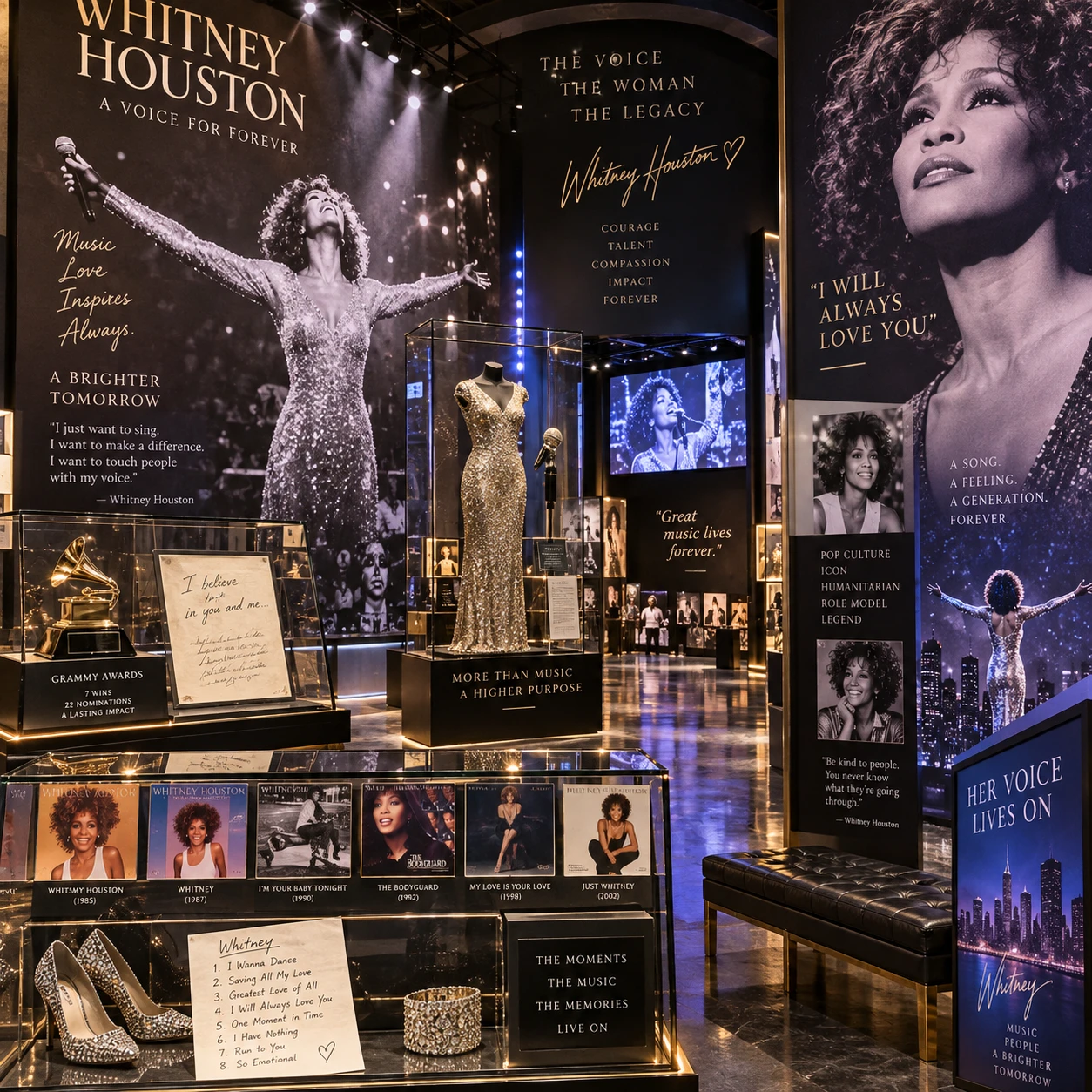
Whitney Houston’s voice is familiar across generations, but an exhibition can reveal more than a collection of celebrated songs. By bringing together recordings, performance footage, photographs, and music memorabilia, a pop music exhibition can help visitors understand how her artistry developed and why it continues to resonate.
The objects and media in any particular show depend on what its organizers can verify and obtain. The ideas below describe ways an exhibition could present Houston’s legacy, rather than details of a specific venue or current display.
Why Whitney Houston’s Story Belongs in an Exhibition
Whitney Houston’s story belongs in an exhibition because her career connects vocal artistry, popular recordings, and live performance in a way visitors can explore through sound and objects. A well-designed display makes those connections visible without reducing her legacy to a list of awards or hit songs.
Houston became one of the defining recording artists of her era, known for a powerful, controlled voice and performances that moved between pop, R&B, soul, and gospel traditions. Exhibits can invite visitors to listen closely to that range: the phrasing, dynamics, and emotional choices that make a recording feel distinct. They can also show how an artist’s work reaches people through radio, albums, film, concerts, and shared cultural memories.
Context matters as much as recognition. A gallery might pair a song with information about its recording and reception, then let visitors hear a short excerpt or compare different performance settings. This approach gives newcomers an entry point while offering longtime fans details to revisit. The challenge is balance: familiar highlights draw people in, but a fuller portrait should also make room for craft, collaboration, and the changing circumstances of a long public career.
Building a Narrative Around Her Career
A career timeline can show how Houston’s music and public life developed by placing recordings, performances, and milestones in historical order. It gives visitors a clear route through the exhibition while leaving space for the story’s complexity.
Instead of treating each year as a separate label, curators can organize a timeline into meaningful chapters: early musical influences, the emergence of a recording career, major albums and tours, work across different media, and the continuing life of the music. Relevant dates and claims should be checked against reliable sources and clearly distinguished from interpretation. The timeline can then connect a career event to a particular album, image, or performance clip.
A useful interpretive framework is moment, medium, meaning: identify what happened, show how audiences encountered it, and explain why it mattered. For example, an album release might sit alongside its artwork, a listening station, and a note about how recorded sound differs from a live rendition. This keeps the narrative grounded in evidence rather than speculation about Houston’s private life.
Timelines also involve choices. A compact exhibit may need to emphasize turning points, while a longer one can include collaborators and wider musical context. Either way, dates should guide visitors, not imply that artistic development follows a simple, uninterrupted upward line.
Artifacts That Bring the Music to Life
Artifacts bring Houston’s music closer by giving visitors tangible evidence of the work and decisions behind a public career. Stage costumes, photographs, documents, and other memorabilia can turn an abstract musical legacy into something visitors can examine at human scale.
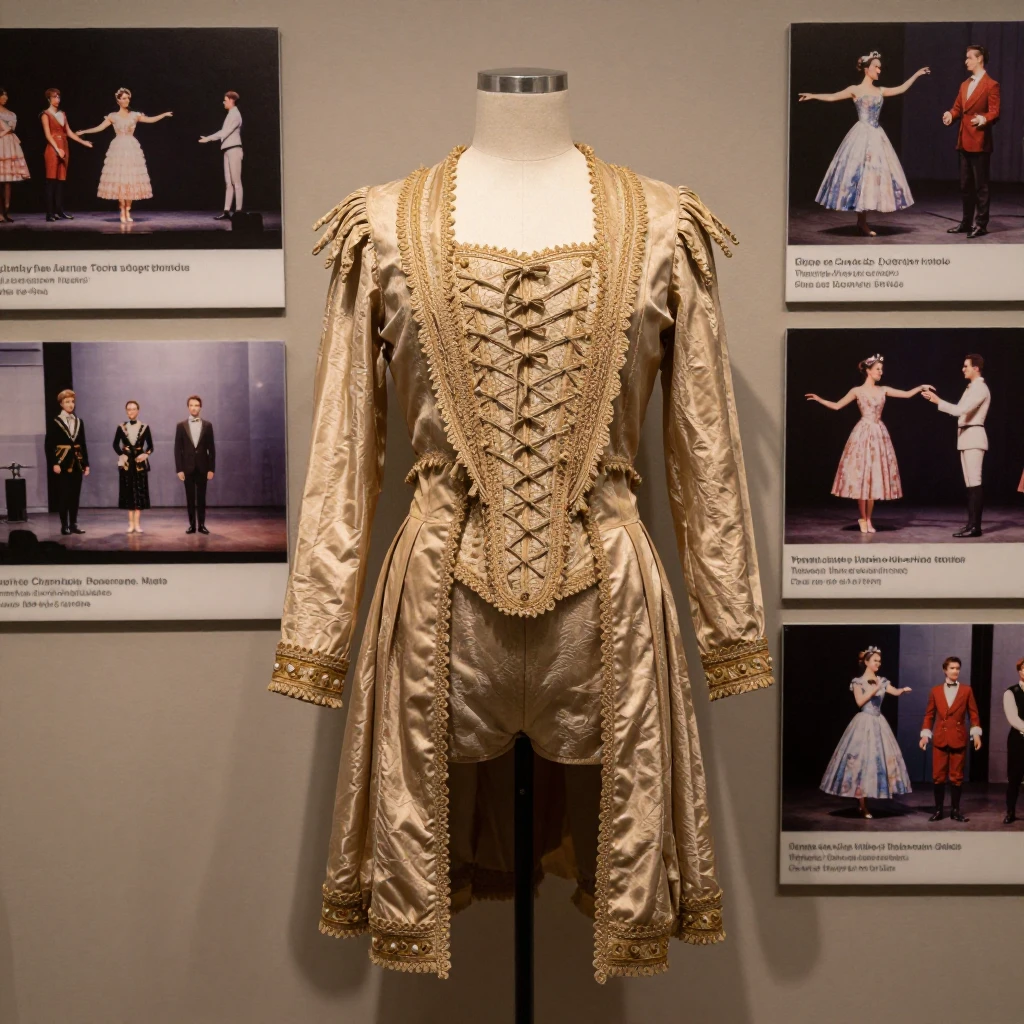
A costume can prompt questions about movement, lighting, and the visual language of a concert. A photograph may capture a particular performance or professional moment, while a recording-related item can open a conversation about how music was made and distributed. Each object needs a clear label explaining what it is, where the information comes from, and how it relates to the larger story. When an item’s history is uncertain, the exhibit should say so rather than present an appealing guess as fact.
Provenance and preservation shape what a museum can show. Delicate textiles, paper materials, and photographs may require controlled light, temperature, or display time, so not every object can remain on view indefinitely. Reproductions and digital images can help tell the story, but curators should identify them honestly.
Memorabilia matters to fans for different reasons. It might be a direct link to a performance they remember, or a clue to the teamwork and preparation behind it. A good display leaves room for both emotional connection and careful interpretation.
Recreating the Experience of Performance
Concert footage and carefully designed audio can help visitors sense Houston’s stage presence, while interactive media can show how a performance changes across settings. These tools work best when they support close listening rather than compete with the music.
A short video excerpt can reveal gesture, timing, and communication with an audience that a still photograph cannot capture. Listening stations might pair a studio recording with a live version, if the materials are available and cleared for use. Visitors can then notice differences in phrasing, arrangement, and atmosphere. Headphones provide a focused experience; a shared listening space can create a communal one, though it may be noisier and less accessible for some people.
Immersive displays should be used with care. Large screens, dramatic lighting, and surround sound can add energy, but they can also overwhelm the actual performance or make an exhibition feel like a spectacle. Captions, transcripts, seating, adjustable volume, and clear routes through media areas help more visitors take part.
Access shapes the experience. Not every visitor can stand for a long video or hear audio clearly in a busy gallery. Offering multiple ways to engage lets people choose their own pace: watch, listen, read, or pause. The aim is to make the performance available without pretending a screen can reproduce the full force of being there.
Exploring Her Cultural and Musical Influence
An exhibition can explore Houston’s cultural impact by connecting her recordings and performances to the audiences, musical traditions, and media through which they traveled. That context helps visitors see influence as something shaped by both artistic work and public reception.
Displays might examine how vocal technique, song interpretation, and stage presentation contributed to her place in pop music. They can also invite visitors to consider how recordings reached listeners across formats and generations. Where an exhibit discusses broader social or industry context, it should support its claims with credible sources and avoid presenting one person’s experience as universal.
There is a useful distinction between documenting influence and simply declaring it. An exhibit can point to specific songs, performances, collaborations, and responses, then allow visitors to make informed connections. It can also acknowledge that musical influence is shared: artists build on traditions, learn from peers, and work with collaborators whose contributions deserve recognition.
This wider frame does not diminish Houston’s individual achievement. It makes the story richer, showing how her voice became part of a larger cultural conversation and why listeners continue to find meaning in the music.
Making the Visit Meaningful for Fans and Newcomers
A meaningful visit gives longtime fans room to reconnect with familiar music and gives newcomers enough context to follow the story. Clear interpretation, varied media, and a visitor-led pace can serve both groups without assuming they bring the same knowledge.
Fans may want to spend time with a specific album, performance, or image that holds personal meaning. New listeners can start with a short playlist or a simple guide to key career moments, then follow what catches their attention. Rather than trying to absorb every label, visitors can choose one recording, one object, and one performance clip to consider closely. That small route often leads to better questions than rushing through the whole gallery.
Before visiting a particular show, check its official information for current dates, object lists, accessibility details, and any limits on photography or audio. Exhibitions differ, and a general description of what could be shown does not confirm that a specific costume or recording will be on display.
Leave with a question, not just a checklist. You might ask how a studio track changes in concert, what an artifact reveals that a recording cannot, or which song you want to hear again. Those questions help turn an exhibition into an active encounter with Houston’s music and legacy.
Frequently Asked Questions
What might visitors see in a Whitney Houston exhibition?
A Whitney Houston exhibition might include recordings and albums, concert footage, photographs, stage costumes, documents, and other music memorabilia. The exact objects depend on the specific exhibition and should be confirmed through its official information.
How can exhibits represent an artist’s musical legacy?
Exhibits can connect recordings, performances, career milestones, and audience responses with clear labels and reliable context. Listening and viewing experiences help visitors consider how the music was made, performed, and received.
What makes music memorabilia meaningful to fans?
Memorabilia can provide a tangible link to a song, performance, or period in an artist’s career. Its significance comes from both its documented history and the memories or interpretations visitors bring to it.
How can someone explore an exhibition if they are new to Whitney Houston’s music?
Start with the introductory material, choose a recording or performance clip, and follow the related labels and objects. There is no need to know every album in advance; a few focused listening moments can provide a useful first encounter.